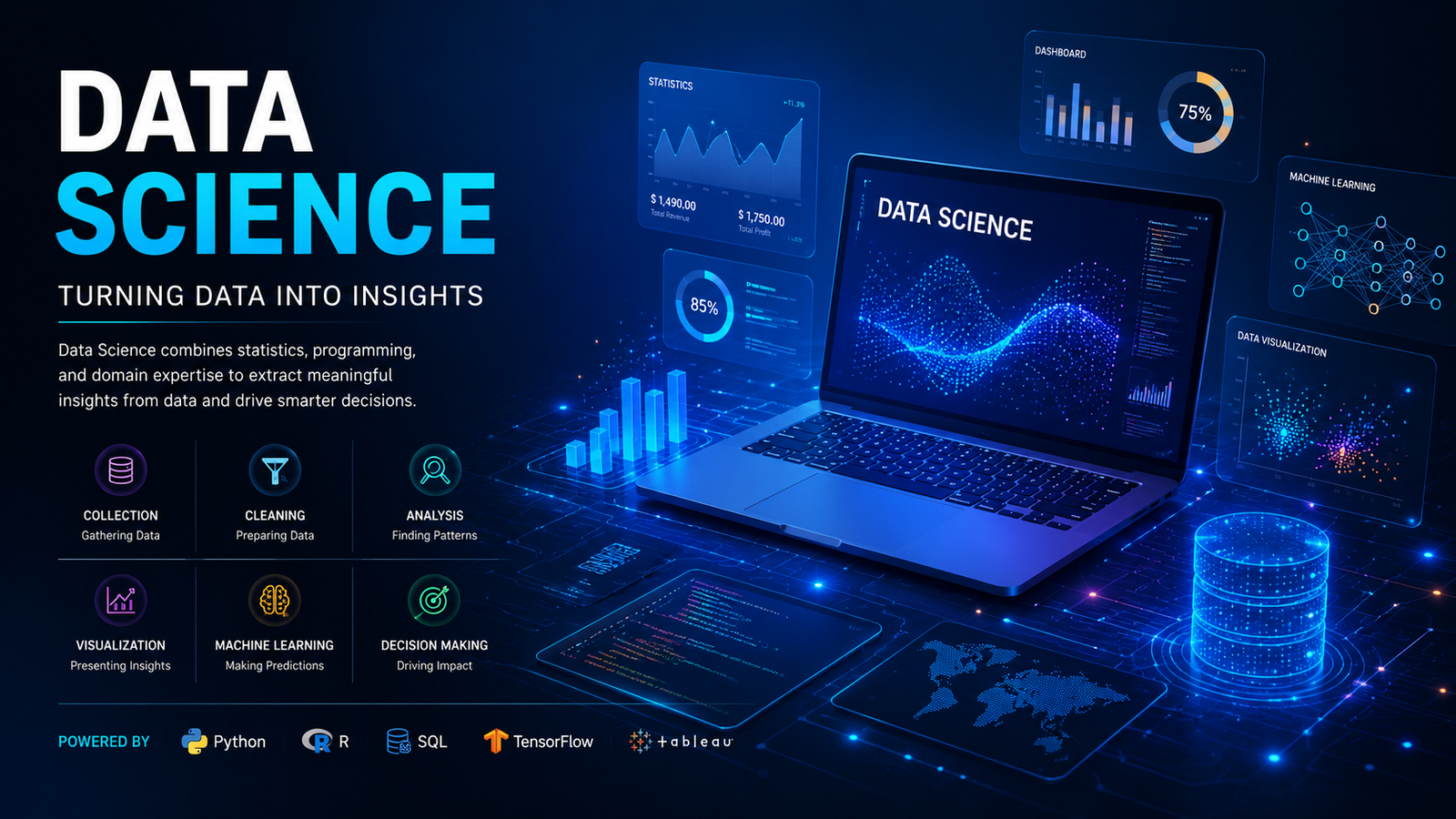
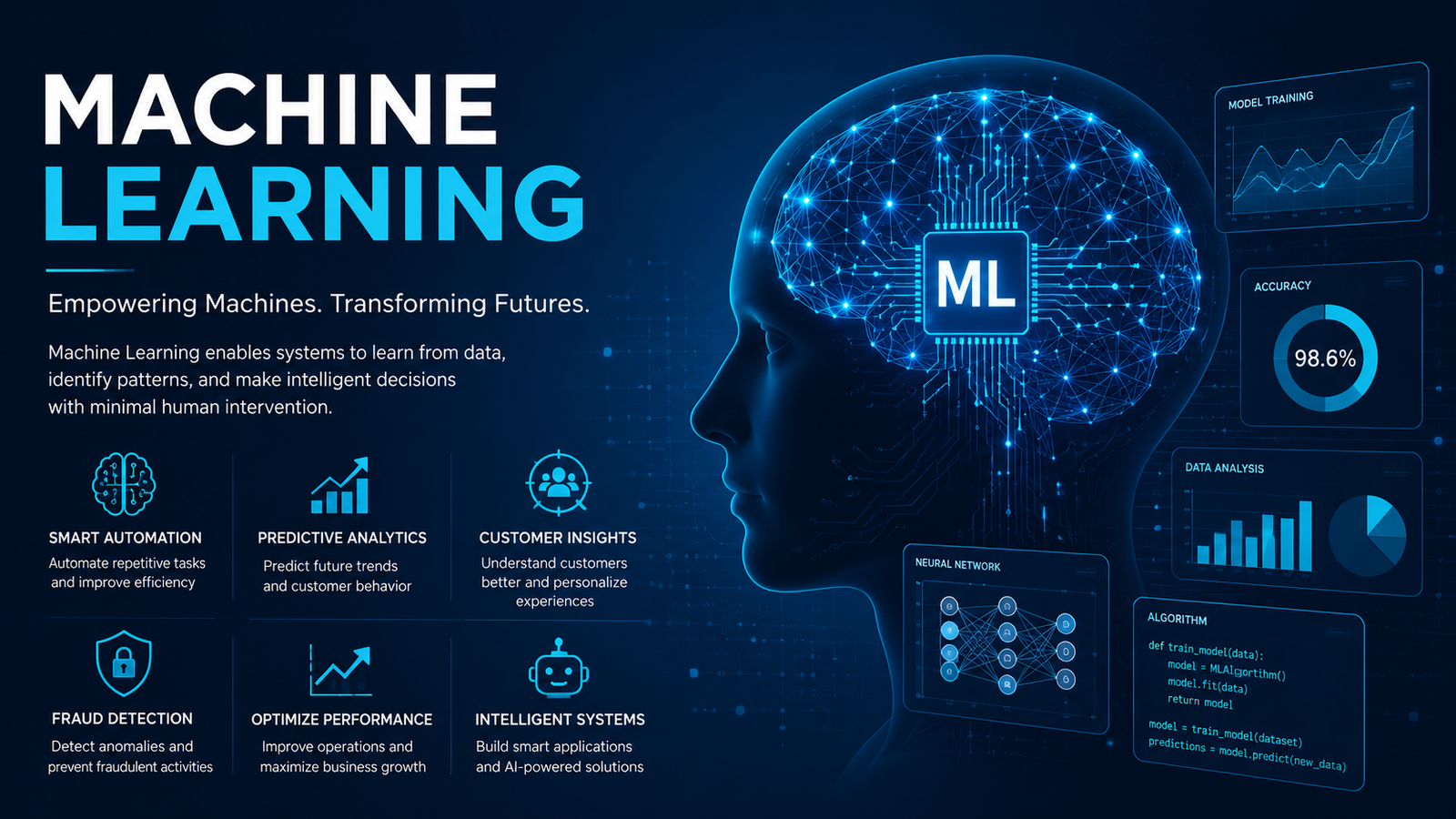
How Artificial Intelligence is Transforming Modern Data Integration and Business Intelligence
In today’s digital world, businesses generate massive amounts of data through websites, mobile applications, cloud platforms, IoT devices, social media platforms, CRM systems, and enterprise software. From customer interactions and financial transactions to operational reports and marketing analytics, organizations continuously manage huge volumes of data every day.
However, collecting data alone is not enough. Businesses need advanced technologies to process, organize, and analyze this information efficiently. Traditional data integration methods often struggle with growing data complexity, real-time processing requirements, and scalability challenges.
This is where Artificial Intelligence is transforming modern data integration and business intelligence.
AI-powered data integration solutions help organizations automate data mapping, cleansing, synchronization, transformation, and analytics with greater speed and accuracy. By combining Artificial Intelligence, Machine Learning, automation, and predictive analytics, businesses can eliminate data silos, improve data quality, and gain real-time insights for smarter decision-making.
Today, industries such as healthcare, finance, e-commerce, manufacturing, logistics, education, and digital marketing are rapidly adopting AI-driven data integration technologies to improve efficiency, reduce operational costs, and accelerate digital transformation.
What is AI-Powered Data Integration ?
AI-powered data integration is the process of using Artificial Intelligence and Machine Learning technologies to collect, combine, manage, and analyze data from multiple sources automatically.
Traditional integration methods rely heavily on manual configurations and predefined rules, which can be time-consuming and error-prone. AI transforms this process by enabling intelligent systems to:
- Detect data patterns
- Clean and standardize datasets
- Automate data mapping
- Identify inconsistencies
- Synchronize real-time information
- Improve data accuracy
These intelligent capabilities help businesses simplify complex data workflows and improve operational efficiency.
Why Businesses Need AI in Data Integration
Modern organizations deal with enormous amounts of structured and unstructured data daily. Managing fragmented information across multiple platforms can become challenging without intelligent automation.
Artificial Intelligence helps businesses:
- Handle massive data volumes
- Eliminate manual processes
- Improve real-time analytics
- Reduce operational costs
- Break down data silos
- Improve data security
- Increase scalability
AI-powered integration systems provide organizations with a centralized and efficient data management environment.
Automated Data Discovery and Collection
Artificial Intelligence enables businesses to automatically discover, collect, and process data from multiple platforms without manual intervention.
AI systems can integrate information from:
- Databases
- APIs
- Cloud applications
- IoT devices
- Enterprise systems
- Customer platforms
This automation accelerates data integration workflows and improves productivity.
Intelligent Data Cleansing and Transformation
Poor-quality data can negatively affect business decisions and operational performance. AI-powered systems automatically detect:
- Duplicate records
- Missing values
- Incorrect formats
- Inconsistent information
Artificial Intelligence can clean, organize, and standardize datasets to ensure accurate and reliable information for business analytics.
Real-Time Data Synchronization
Traditional systems often process information in batches, which causes delays in decision-making. AI-powered integration platforms enable real-time data synchronization across systems and applications.
Real-time integration helps businesses:
- Monitor operations instantly
- Track customer behavior
- Detect fraud quickly
- Improve inventory management
- Analyze financial transactions
Businesses can make faster and smarter decisions using live data insights.
Machine Learning in Data Integration
Machine Learning plays a major role in modern data integration systems. ML algorithms analyze historical and real-time data to identify patterns and optimize integration workflows automatically.
Machine Learning helps businesses:
- Predict future trends
- Improve data mapping
- Detect anomalies
- Automate repetitive tasks
- Enhance predictive analytics
These intelligent systems continuously learn and improve over time.
Breaking Down Data Silos
Many organizations store data across multiple departments and platforms, creating disconnected systems and communication gaps.
Artificial Intelligence helps unify fragmented data from:
- CRM systems
- ERP platforms
- Marketing tools
- Financial software
- Cloud databases
This creates a centralized data ecosystem that improves collaboration, reporting, and business intelligence.
AI-Driven Business Intelligence
Business Intelligence solutions powered by AI help organizations transform raw data into meaningful insights.
AI-driven BI systems support:
- Data visualization
- Predictive analytics
- Performance tracking
- Customer analytics
- Sales forecasting
- Strategic planning
Businesses can analyze trends, monitor KPIs, and make data-driven decisions more effectively.
Improving Data Security and Compliance
Data security has become a major concern for modern businesses handling sensitive customer and enterprise information.
AI-powered systems help organizations:
- Detect security threats
- Monitor suspicious activities
- Protect sensitive data
- Manage access controls
- Maintain regulatory compliance
Businesses can comply with standards such as:
- GDPR
- HIPAA
- SOC 2
- CCPA
while improving overall data protection.
Benefits of AI-Powered Data Integration
Faster Operations
Automation reduces processing time and improves workflow efficiency.
Better Decision-Making
Businesses gain real-time insights for smarter and faster decisions.
Improved Customer Experience
AI helps organizations deliver personalized services and improve customer engagement.
Reduced Operational Costs
Automation minimizes manual work and reduces infrastructure expenses.
Increased Scalability
AI systems adapt easily to growing business and data requirements.
Industries Using AI Data Integration
Healthcare
Hospitals and healthcare providers use AI for patient data management, medical analytics, and disease prediction.
Banking and Finance
Financial institutions use AI-powered systems for fraud detection, risk analysis, and transaction monitoring.
E-Commerce
Online businesses use AI integration for customer analytics, recommendation systems, and inventory optimization.
Manufacturing
Manufacturing companies use AI for predictive maintenance, supply chain optimization, and operational analytics.
Digital Marketing
Marketers use AI-driven analytics to understand customer behavior and improve campaign performance.
Challenges of Traditional Data Integration
Traditional data integration methods often face several limitations, including:
- Slow processing
- High operational costs
- Manual errors
- Poor scalability
- Data inconsistencies
- Delayed analytics
These challenges can reduce business efficiency and slow down decision-making processes.
How AI Solves Modern Data Integration Challenges
Artificial Intelligence addresses these challenges through:
- Intelligent automation
- Real-time processing
- Self-learning systems
- Predictive analytics
- Automated workflows
AI-powered systems improve accuracy, reduce manual intervention, and optimize enterprise data management processes.
Future of AI in Data Integration and Business Intelligence
The future of AI-powered data integration is highly promising as businesses continue investing in intelligent technologies and digital transformation.
Emerging technologies such as:
- Generative AI
- Cloud Computing
- Big Data
- Internet of Things (IoT)
- Intelligent Automation
- Advanced Analytics
will further enhance the capabilities of modern enterprise systems.
Organizations adopting AI-driven data integration today will gain long-term advantages in scalability, innovation, operational efficiency, and business growth.
Conclusion
Artificial Intelligence is revolutionizing modern data integration and business intelligence by helping organizations automate complex workflows, improve data quality, and gain real-time business insights.
AI-powered integration solutions simplify enterprise data management through intelligent automation, Machine Learning, predictive analytics, and real-time synchronization. Businesses can eliminate data silos, improve operational efficiency, reduce costs, and make smarter decisions using accurate and centralized information.
As digital transformation continues to accelerate, Artificial Intelligence will remain one of the most powerful technologies shaping the future of business intelligence, automation, and enterprise innovation.